
Alchemist Accelerator was delighted to welcome Jeff Erickson for a primer on equity. Jeff is a startup founder, angel investor and Carta veteran, now at Forecastr. These are my personal notes from the session, and any errors are mine and not Jeff’s!

Jacobo Ortega, Co-Founder and CEO ofEverscale Group Why Tech Companies Need to Master Cross-border Operations - with Jacobo Ortega
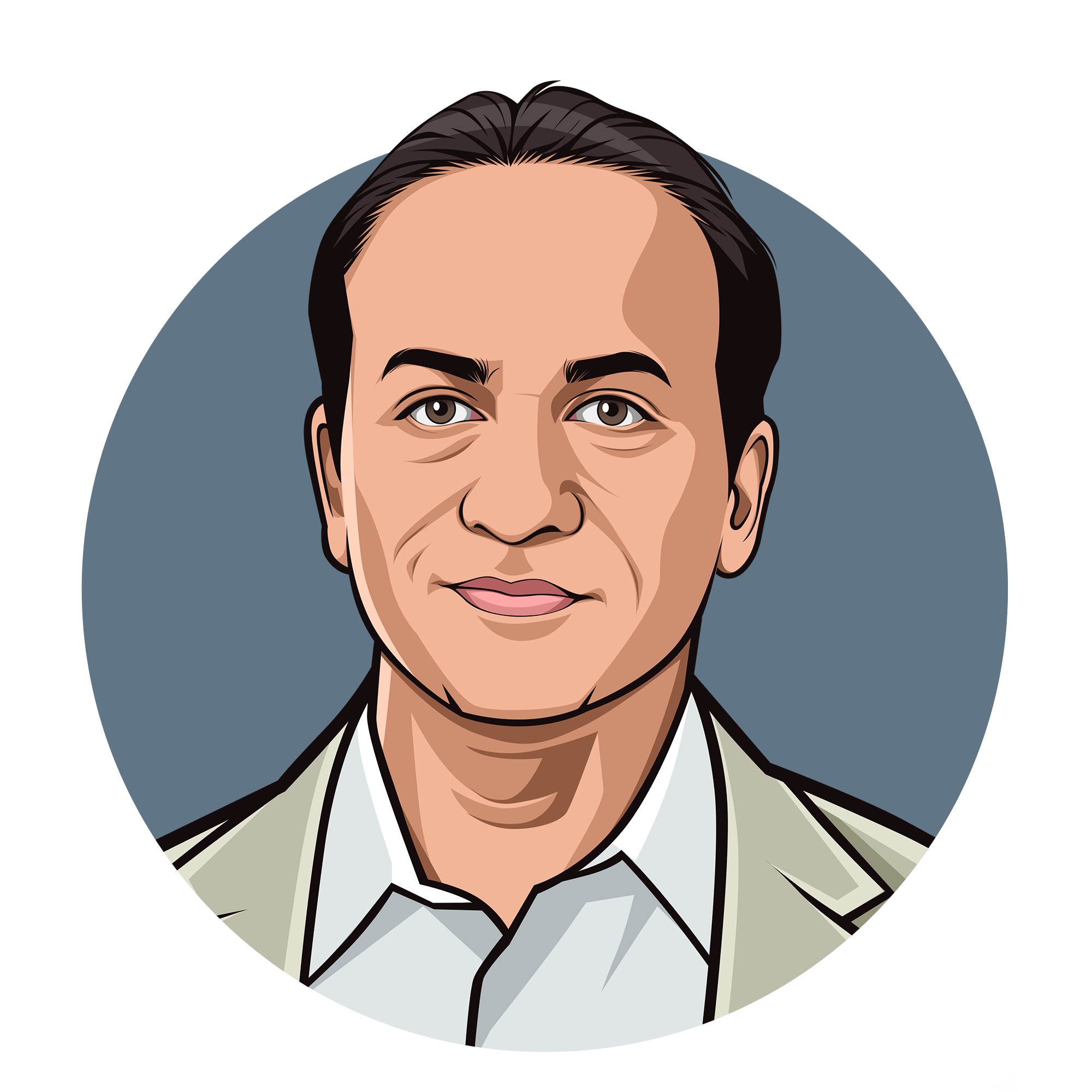
When you hear the name NachoNacho, what do you think it is? Well, that’s the young startup that offers businesses the ability to consolidate and manage all their subscriptions in one account, right? Yes, but that’s not even half of it. And while NachoNacho may mean business, founder and CEO Sanjay Goel had something else in mind for the scrappy company’s title. In Hindi, NachoNacho translates to dance dance. That’s the whole point to NachoNacho. To make its users happy and to bring them such joy that they just want to get up and dance. With a fun and clever name like that, you may not be surprised to hear the exciting origin of how Sanjay himself got to where he is today. And how NachoNacho will soon be the Amazon of B2B SaaS. Sanjay received his Bachelors in Electrical Engineering from the Indian Institute of Technology, Delhi. From there, a fellowship from UCLA brought him to Los Angeles to receive his MS in Electrical Engineering and Computer Science. Ever the busy-body, Sanjay then went to Japan to work for SECOM as a robotics research engineer. Sanjay Goel, CEO NachoNacho He returned to America to leave engineering behind and chase a career in finance. He landed himself a job at BARRA (Berkeley), the portfolio modeling company revered by asset managers. He then moved to New York City and found critical success working his way up the ladder and eventually becoming a Managing Director at Citigroup. After achieving what he wanted in the world of finance, he eventually moved back to Silicon Valley to found his first startup, Ideas.com. It was even featured in a live CNN interview. But after the tech crash of the early 2000s, Sanjay eventually returned to finance and moved to London, landing many high-level jobs at several banks throughout the rest of the aughts. His second startup eventually came to fruition in Berlin, where he founded Oximity. A couple of years on, he moved back to Silicon Valley to grow the startup further in the US. In 2016, Oximity was acquired by Scribd, a subscription service. In many ways, this would lay the foundation for his third startup. If you’re starting to get the impression that Sanjay moves around a lot, you would be right. Over his extensive and ever-changing career, he’s lived in six countries: India, Mexico, Japan, UK, Berlin, and the U.S. Not impressed yet? Consider the languages he is proficient or conversant in, including Spanish, Hindi, English, Japanese, French & German. This kind of movement and ever-changing interest in learning new things led him to become somewhat of an amateur athlete and adrenaline junkie. To this day he enjoys sailing, skiing, scuba diving, windsurfing, flying helicopters and airplanes, and most importantly rock climbing. Why is rock climbing the most important? Because this is where fate would align for both Sanjay and Alan Szternberg and NachoNacho would be one step closer to being born. While Sanjay was off conquering many business paths for almost 20 years, Alan was also an ever-curious trailblazing soul. He founded the companies Gooplus and Mirabelle before meeting Sanjay, has lived in several parts of the world, and enjoys all of the same sweat-ridden, pulse-racing hobbies. Coupled with the fact that he is a brilliant full-stack developer, Alan would become the brains behind the backend of he and Sanjay’s startup. Their uncanny similarities proved that the two were not only kindred spirits but the perfect business partners. Enter NachoNacho, stage right. At its heart, what they built together is equal parts a subscription management application and a marketplace for subscriptions. Businesses start by managing their existing subscriptions, but then can seamlessly buy new ones from their marketplace at substantial discounts. What seems like an obviously good idea now took many months of research and exploration. But that's the hallmark of a good idea - it should feel like it was an obvious play the whole time. Today, you could draw similarities to companies like G2 Crowd and Capterra. But the truth is, there is no competition. These platforms only have relationships with SaaS vendors. NachoNacho is a true marketplace with direct and long-standing relationships with both businesses as buyers and SaaS vendors. “NachoNacho is the best version of every similar tool, combined with the nicest team that could build it.” Dan Giaime CMO, Delight Rewards Manage your current subscriptions as a buyer, and find other subscriptions you may like in their marketplace based on what you already use. Simultaneously, a seller can feel comfortable knowing that their product is going to a consumer who wants to use it. As if this harmony couldn’t be made better, both sides benefit from a secure experience where their privacy is the highest priority. NachoNacho carries brands like Copper, Canva, Monday.com, and AWS to name a few. And with investors like Magic.fund, Brainstorm.vc, Leonis.vc, and Alchemist Accelerator, you know they’re a safe bet. With NachoNacho, there is no more wasting money on duplicate subscriptions within the same company. No more company coffers are being diminished by paying for a SaaS product you haven't used in years. Instead, save your money and spend it on subscriptions you actually need for the work-life you actually want. It all kind of makes you feel like you want to get up and “dance dance” doesn’t it? _______________________________________________________________________________________ Alchemist connects a global network of enterprise founders, investors, corporations, and mentors to the Silicon Valley community. Alchemist Accelerator is a global venture-backed accelerator focused on accelerating seed-stage ventures that monetize from enterprises (not consumers). The accelerator invests in enterprise companies with distinctive technical founders and provides founders a structured path to traction, fundraising, mentorship, and community during the 6-month program. AlchemistX partners with forward-thinking corporations and governments to deliver innovation programs worldwide. These specialized programs leverage the expertise and tools that have fueled Alchemist startups’ success since 2012. Our mission is to transform innovation challenges into opportunities. Join our community of founders, mentors, and investors.
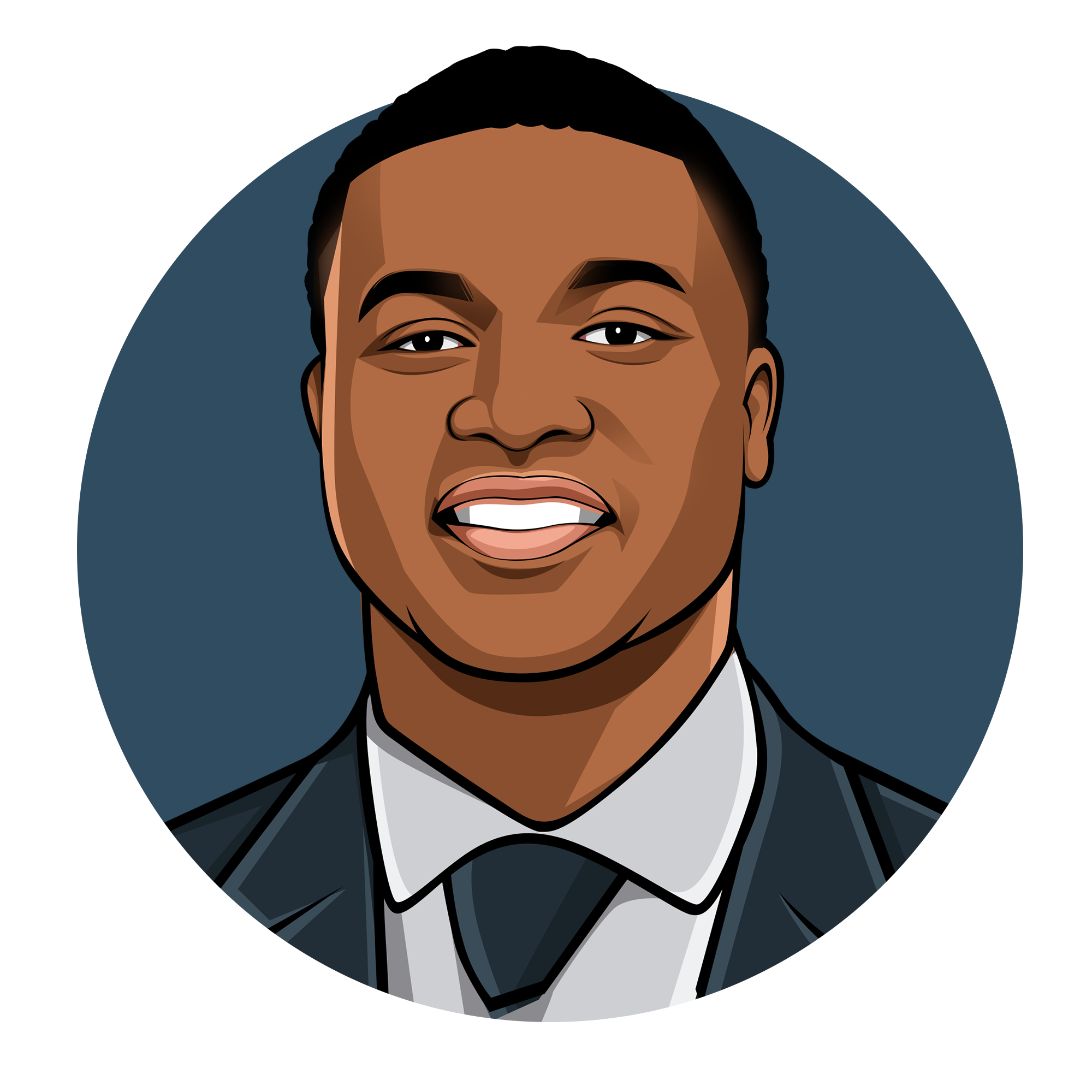
Currently Co-Founder & CEO at PostureHealth, Daniel James is building solutions to help people achieve their workplace wellness goals so that they can live a more healthy and productive life. Before launching PostureHealth, he spent time in various B2B product, sales, and marketing roles at startups and large companies like Adobe. Daniel is a recent graduate of Yale University where he was a member of the 2017 Ivy League Championship Football Team, A Joseph Tsai Center for Innovative Thinking Fellow, and Startup Yale 1st Place Winner.
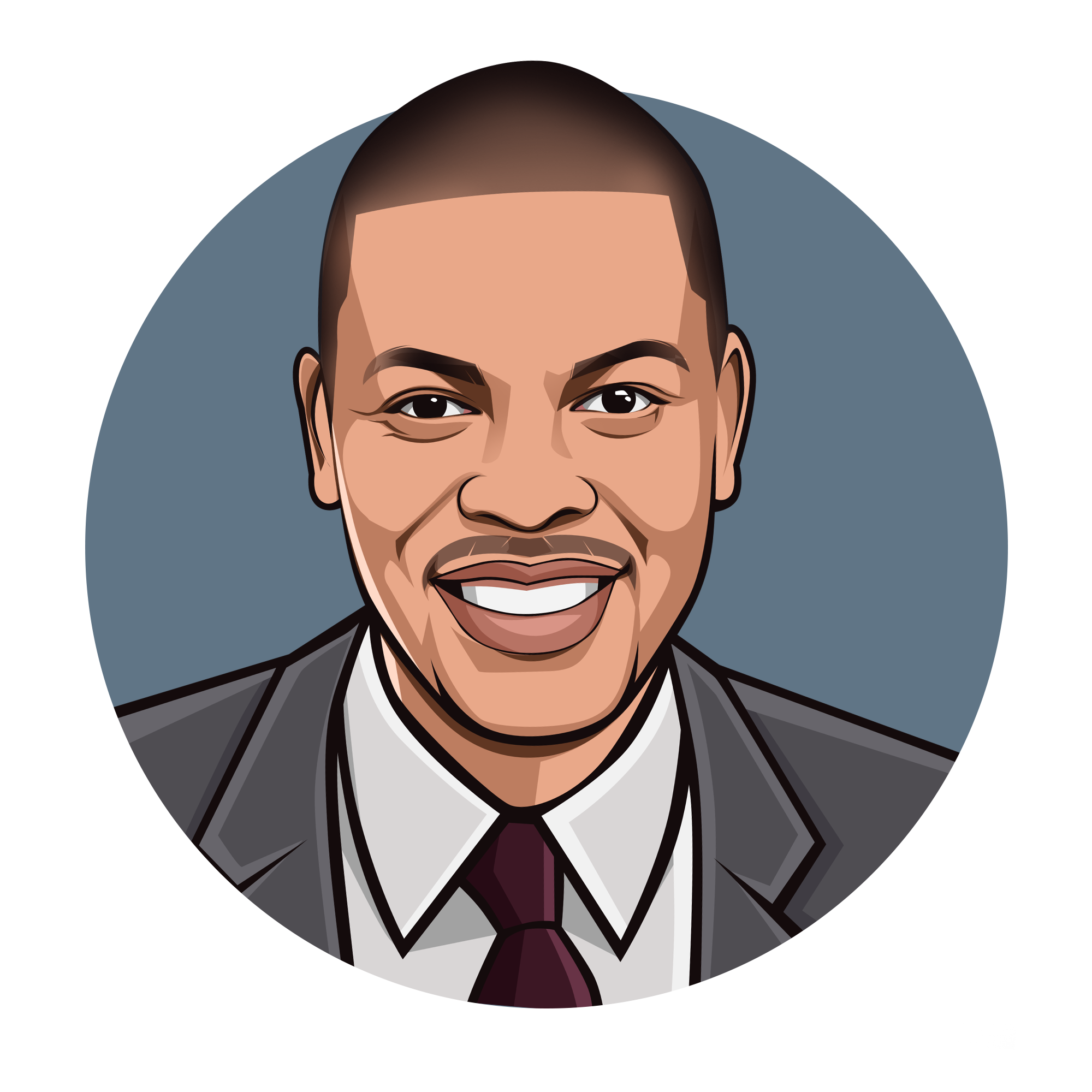
Today we’re talking to Jon Gibbs and Adrian Townsend, the founders of Savion. These two met while working at Boeing and their startup offers climate-friendly jet travel.

Patrick Beattie, Redbird With 10 years’ experience using rapid diagnostic tests to improve global health and development, Patrick is passionate about empowering patients to proactively manage their health. He earned his undergraduate degree in Chemical Engineering, magna cum laude, from Princeton University and his MBA, with distinction, from the University of Oxford, where he was a Skoll Scholar. Born and raised in Alaska, Patrick enjoys spending his free time outdoors, paragliding, rock climbing, or just going for a run. He’d love to walk on the moon someday. What does Redbird bring to the marketplace? Redbird lets community pharmacies offer rapid diagnostic testing, so that a patient who needs to check up on their health can pop into a conveniently located pharmacy and get a five minute test done with instant results, rather than having to go to a hospital and wait hours for the exact same test. Tell us about your background pre-Redbird and how that led you to entrepreneurship and to Africa. I did my undergrad in chemical engineering at Princeton, specifically focusing on the interface with biology, and I did some research into nanoparticles for drug delivery. Then, immediately out of college, I joined the US Peace Corps and was a volunteer teaching math and chemistry, first for two years in The Gambia, West Africa and then for another year in Guinea, also in West Africa. That was my first exposure to Africa. I enjoyed my time in the Peace Corps. It was great to feel really good about the work I was doing, but I did miss the more scientific, technical aspects and all the training I had done in chemical engineering. So, after three years I moved back to the US. I moved to Boston because I was interested in biotech and the startup scene. I ended up being the founding scientist at a non-profit medical diagnostics company called Diagnostics For All (DFA). This was using a technology out of George Whiteside’s lab at Harvard called paper microfluidics. We at DFA were developing this technology into diagnostic tests with an eye towards low resource settings. So, a lot of a focus on Sub-Saharan Africa, also Southeast Asia, and some Latin America. It was, for me, a fantastic opportunity. It was the combination of the two things I enjoyed — I felt the work had a strong purpose, and it was still highly technical. I had to set up an entire lab from scratch. I was the only employee for quite some time. And so, I got that exposure to the earliest stages of growing a company. We grew it to about twenty people and a couple of million in mainly grant revenue per year. It was a wonderful experience that I was very lucky to have and it also set me on the path for Redbird. One of the things I would do when I was in Africa for say, trials of our diagnostic tests, was go around to pharmacies and just ask, “Hey, if you could test for anything in the world — don’t think about what’s possible, just anything that you want an answer to — what would you test for?” I thought that this would tell us oh, this is the next test we should develop. But nine times out of ten, the answer I got was a test that already existed. It was solved as far as the technology problem was considered. And so I started realizing that we’re developing these new tests and that’s great, but there’s some sort of market failure here or opportunity where existing technology just isn’t making that leap into wide scale adoption. Pharmacies seem like they could be using these tests, and they should, but they aren’t. And so that’s what set me on the path. I did an MBA at Oxford as a transition year and used it to look at different markets, and got excited about Ghana as a potential market. I moved here but first helped start up a branch of a Tanzanian medical supply company that wanted to open up the Ghana market. I did that for them, met my co-founder Andrew during that time, and after we had about a year of working in our free time, we quit our jobs to go full-time and pretty soon after that, brought on our third co-founder Edward. What kept you driving forward? Like most entrepreneurs, I feel like I’ve got that builder-type spirit. Once you start thinking of something you could build that seems to make a lot of sense, it’s hard to think about anything else. And that’s what happened to me with Redbird. When I was still at DFA, I loved my work and it was still a small company and I was a very core part of the company history and loved living in Boston. But once I started thinking about this — why is no one getting pharmacies to do these tests and what that would open for decentralization of healthcare, and all the potential there — it was hard to not think about it. The more I thought about it, the more excited I got, and the more excited I got, the harder it was to think about anything else. Eventually, I realized that this is something I’m going to either have to do or somehow stop thinking about. Of course there are times when it’s more difficult to keep that enthusiasm going. Sometimes, as things get more real, it gets more exciting, and sometimes, as things get more real, it gets more difficult to keep that enthusiasm. At different stages, there are different things that bring the enthusiasm back up when things get hard. Sometimes for me there’s been stages where the team that we’ve been able to build has been a big part of that. The traction that you see has been a big part of that. For me, it goes often back to the fact that you’re building something that is your choice. Even when it gets difficult, you can always lean back on this is something that I think can come into existence and I want to make that happen. How has Redbird adapted and responded to the COVID-19 pandemic? It’s been a very interesting time for us, as you can imagine. It’s interesting for all companies right now, especially for health tech companies. There was the initial, how do we modify everything that we do to be able to do this remotely? Work from home is not a huge culture in Ghana, because infrastructure is often more difficult to have. We’re a small team, only thirteen people total. How do we now make sure that everyone on our staff is able to work when power outages hit or internet connectivity can go down for any number of reasons? There was a big scramble. Luckily, we were seeing what was happening elsewhere and got ahead of the ball. Ghana was one of the later places to get hit, and so we were able to have those plans in place. Then we ended up, like most countries, having a period of lockdown. Ghana’s was pretty short, but that was pretty drastic for our business. When no one’s leaving their house, even for three weeks, suddenly we couldn’t sign on new pharmacies because our sales guys couldn’t leave their houses. And new pharmacies weren’t necessarily that enthused about investing in new areas when everything was uncertain. So I think those aspects of it were very similar to a lot of companies. Where health tech companies can be a bit different — and Redbird was a bit different — is that this also opened up some significant opportunities for us. Early on, a week after the first cases came to Ghana, we sat around (the three co-founders and our lead Dev guy) and we realized that we have a health tech platform. It’s not designed for COVID-19, but could we leverage this somehow to give benefits? We came up with this idea of symptom tracking. Diagnostic testing was a huge problem in Ghana, like it was in a lot of places in the world. We knew that we couldn’t directly attack that (we weren’t in the best place to be doing that from a capacity standpoint). However, we are in a great place to help the government understand better what symptoms were happening, because we already had a tech platform that could collect data like that easily and without any downloads. Within the span of a week, we developed an add-on to our app that enabled anyone to log on or access the app, report any symptoms that they were having, and then send that to us, so that we could collate the data and help the government then understand where hotspots of symptoms like shortness of breath or coughing were happening and better target the capacity they did have for diagnostic testing. That was a pretty exciting time. It was a weird time to suddenly be thrown into you have to work from home and the business is very uncertain but, on the other hand, it also was one of those incredibly exciting times when it almost didn’t matter. You weren’t thinking about what is the market here because it was just obvious that someone needs to do this, this has potential, let’s just do it. Since then, business has come back very quickly for us because our core offering to patients is hey, here’s a way to not go to hospitals if you don’t have to and that is something that’s really resonating with people right now. We see this as an acceleration of trends that were already happening. Decentralization of healthcare is happening all around the world. It’s the leapfrog opportunity for Africa. They talk about cellphone networks and mobile money as the two biggest leapfrogs that the African economies have done. Decentralized healthcare will be next, I strongly believe that, because it’s very similar. We’re seeing this as accelerating some of that. What are the key changes healthcare will undergo due to this crisis? Do you think the pandemic will spur more entrepreneurship in the space? Yes, I do think it will. I should caveat anything I say with, healthcare is very different. There’s that saying: healthcare is local. Regulations and everything around data creates a different environment depending on what country you’re in. Whereas for other industries, there’s less difference across borders, there’s a significant difference when you compare the US healthcare system, to Europe, to Sub-Saharan Africa, to India. Everything I say should have that caveat that I’m talking about the African healthcare sector, but I think the trends are very similar. One of the strongest trends that we’re seeing is a normalization of certain technologies that existed but weren’t being widely used in healthcare previously, both with patients and with regulators or providers. On the patient side, it’s being more comfortable or exposed at all to new digital options. I’ll take my parents, for example. They’re in Chicago. They’ve each done teleconsults with their doctors that they need to see on a regular basis. They needed to have this checkup, and it was also important that they not go in-person. And so thankfully, they made something work. The impact of that maybe isn’t being completely appreciated now, but once you’ve gotten over that hurdle, the future’s going to look different. With an older generation more comfortable with digital health technology, it becomes more difficult to ignore or more pressing to answer the question of why not this digital solution? If this was good enough now, why is it not good enough when it’s maybe not a pandemic, but a much more convenient option for me or for anyone else? A lot of providers are being forced to innovate and try out some of these new approaches. Again, it’s getting over a hurdle and you see this as a possibility. Maybe it’s not perfect yet, maybe there’s some concerns that need to be worked out, but suddenly it’s not sci-fi, it’s a feasible solution. That’s one of the ways that it’s really changing the environment. It’s getting people over these hurdles that then will spur future innovations. It’ll create space that people have been trying to work in and push the industry forward. What challenges have you faced leading a startup on the African continent? Do you see a future for widespread entrepreneurship in Africa? I see a very bright future for widespread entrepreneurship. Part of the reason I moved to Ghana was because I was excited about the entrepreneurial scene here and just how quickly it’s changing. I think of Ghana about five years ago when I first moved here — the Ghana at that time, as far as the entrepreneurial ecosystem is concerned, was widely different. Part of the reason it moves so quickly here is because it has to — like leapfrog opportunities or the saying “Necessity is the mother of invention.” It’s very exciting what’s happening over here and I think you’re going to see more and more of it. It’s definitely not without its challenges, though. A lot of challenges, a lot of opportunities. One of the biggest challenges is that the ecosystem isn’t as developed yet. One of the things that makes Silicon Valley so strong as an entrepreneurial ecosystem is that everything you need is there. If it’s not there, someone’s working on making it there. The established ecosystem means that you can focus on your business and what’s core to your business. You don’t need to distract yourself with other aspects. That’s a key thing. This is definitely not of the same degree here [in Ghana] or in a lot of other markets. Sometimes that’s exciting because it means that you’re forced to innovate in different ways or collaborate in areas you might not think you would, or it opens up opportunities in areas you don’t think you’d be involved in. Other times it’s frustrating because you can’t move as fast. But the more the ecosystem develops, the more you get that snowball effect. I absolutely think you’re going to see even more exciting companies coming out of Africa in the coming years. Redbird identifies itself as a “for-profit social enterprise.” Balancing effective social impact with a strong bottom line can be a challenge. How is Redbird able to strike this balance? What advice would you give to other entrepreneurs attempting to create businesses that produce social as well as financial returns? When I was at Oxford, I was fortunate enough to be a Skoll Scholar for social entrepreneurship. Social impact is something I feel strongly about. What I learned throughout my career and definitely my time at Oxford is it’s a very broad spectrum of people, when you look at social entrepreneurs and social entrepreneur-founded companies or nonprofits. One of the things that I think has made Redbird successful in balancing those things is that we tried to make it not a balance. We tried to think of how you can find an opportunity where your monetary success is aligned with your impact success. It’s one of the great things about healthcare, that oftentimes that’s an easier thing to do. For instance, with our revenue model, we get paid effectively every time a test is performed. We like that for a couple of reasons. One, we see huge upside potential because there’s a lot of tests that need to be performed. But the other thing is, we don’t make money unless our customers, the pharmacies, are making money. And they’re not making money unless patients actually want these tests. It aligns everything. One of the biggest issues in our theory of change is that more testing leads to better health outcomes — health monitoring especially, I’m talking a lot about chronic disease here. More testing leads to better health outcomes, and therefore we want to align our success with the increased testing. One of the nice things in healthcare is that this is more often possible. I think that’s really important because if you don’t have alignment like that and you’re fudging the alignment, then one of those two things is going to give pretty quickly. Because you’re constantly having to rethink your business, especially in the early years, you’re going to have competing interests and if you don’t have alignment, then something’s going to give. What was the most valuable thing you learned from your Alchemist experience? Two things really jump out in my mind. One is more personal and one is more to my cofounder. The more personal one was very specific demo day prep feedback that I got after our first run-through. We did two run-throughs as our prep for demo day in front of everyone on stage. I did my first one and got some very honest feedback that my energy was so down and they said, “This was bad. We know you, we know this is not you, but that was bad.” And so, the second time I got up there, I decided that I’m going to go completely the opposite direction. I’m going to feel like a clown up here. That’s the amount of energy I’m going to go for to try to fix this. And it worked! It was much better. We ended up being the second company to pitch on the actual demo day. What I learned out of that was you get so used to your own thing that sometimes it’s easy to forget how to project the right enthusiasm, because to you, this isn’t revolutionary or new. Now anytime I pitch I always tell myself two times the amount of enthusiasm I think is appropriate is still not enough. One of the things that my co-founder Andrew told me that really highlighted one of the core reasons we did Alchemist, why we felt it was very successful for us, is this: it was a couple of weeks into the program, and we were in San Francisco. We were working out of the coworking space with the other groups from our cohort. We’ve had a couple of weeks at this point of the sessions with the various mentors, and Andrew turned to me and said I get everything you’ve been saying now. It took me being exposed to all these other companies and to see what normal is out here to understand better why you weren’t satisfied with things or why you felt we needed to move this quickly, or things like that. Seeing what’s possible when you’re in the midst of a really high functioning group of entrepreneurs who are being coached by very skilled mentors, it just made it so much easier for him and I to work towards that. To Andrew especially, that exposure was invaluable because it made us realize that we were at half throttle and needed to be at full. Any final insights for the next generation of Alchemist founders? Besides the two times enthusiasm as you think is appropriate, use Alchemist to find your trusted advisors. That’s something that’s key and will always be key. The times when I’m really grateful are when I need opinion on something and I know there’s four trusted people that I almost always go to, and some of those came out of Alchemist. Alchemist is a unique time to build those relationships with people. One of them, of course, is Ravi for me. He’s always one of the first people I think of when I need to source opinions on something, but it’s others too. I think that’s what you want, because that’s something that is not just a near-term thing. That is something which is going to be useful to you forever, for as long as you have that relationship. About the Alchemist Accelerator Alchemist is a venture-backed initiative focused on accelerating the development of seed-stage ventures that monetize from enterprises (not consumers). The accelerator’s primary screening criteria is on teams, with primacy placed on having distinctive technical co-founders. We give companies around $36K, and run them through a structured 6-month program heavily focused on sales, customer development, and fundraising. Our backers include many of the top corporate and VC funds in the Valley — including Khosla Ventures, DFJ, Cisco, and Salesforce, among others. CB Insights has rated Alchemist the top program based on median funding rates of its grads (YC was #2), and Alchemist is perennially in the top of various Accelerator rankings. The accelerator seeds around 75 enterprise-monetizing ventures / year. Learn more about applying today.

Deb Noller - CEO SwitchAutomation Deb Noller is a dynamic leader who brings more than 20 years’ experience in technology, sustainability and commercial real estate to her role as CEO of the Switch Automation team. She helps large enterprises apply technology for more efficient business operations, resulting in millions of dollars in cost savings for Fortune 100 companies. Deb loves cycling, strong coffee and mentoring young women in the tech industry. What does Switch bring to the marketplace? We are the first enterprise-wide platform for digitizing buildings. Most products in the market tackle buildings on a building-by-building basis. Switch offers scalable technology that lets people take a holistic view of their buildings and get everything under a single pane of glass. What was your motivation while building Switch? Frankly, buildings are an incredibly wasteful resource on the planet. I grew up in New Zealand in the seventies, and I value and appreciate the environment I had when I was a child. Buildings use 40 percent of the world’s energy. Half of that — 20 percent of the world’s energy — is used for heating and cooling. We could easily save 30 percent of the energy used to heat and cool buildings. And we could save six percent of the world’s energy if we just paid attention. I’m fascinated by bringing efficiency to the industry. What do you think is the most challenging thing you’re facing at Switch? It’s definitely the market. We are in one of the biggest and oldest markets. Real estate is the largest industry on the planet, but it’s also one of the last industries to be transformed by technology. The people involved in real estate are not familiar with how to buy technology, so a lot of people are trying out pilots. This causes both start-ups and established proptech companies in the space to burn time and money. The biggest challenge is determining how we can make the market move faster. To do so, we have to educate the market. Can you tell me a little more about your background before starting Switch? I studied national park management in the eighties, then later did a bachelor of commerce with a major in computer science. I met my co-founder, John Darlington, when we were both programmers. We started our first business in the nineties which handled logistics and freight tracking for large mining companies and became incredibly successful. John and I were later introduced to building products and building automation because somebody was bringing a product into Australia, and it couldn’t control the Australian lighting systems. Out of all of your experience, what do you think best prepared you for your current role? The first business that John and I created was a labor-based model. From this experience I learned very quickly and very early on that a labor-based model is not scalable. Later on, I looked at all the real estate markets and I noticed that most of the services have labor-based models. I also learned early on that you can use technology to have a digital business model. This allows you to grow a scalable business and go global. With technology and a digital business model, you can deliver a better experience and provide a better service while also producing higher margins and achieving higher levels of engagement with your customers. I’m fascinated by the concept of growing a global business using technology. When I look at real estate, I see an enormous opportunity to do exactly that. Going back to the first day of working on your startup, what advice would you give yourself? It’s a marathon, not a sprint. Be patient. Take good care of yourself. Take good care of your family and your friends. No matter how much work you do, it’s your family and friends that we have backing us up, so make sure to look after them. What entrepreneurial lesson took you the longest to learn? Technical founders find it difficult to learn the rigor around the sale. Learning to accept that half of sales is a science and building a sales team is extremely challenging. I have built a sales team three times, and it’s been difficult every time — though this may be a result of the market Switch in. What constitutes success for you, personally? Success to me means having an impact. When we get our technology into tens of thousands of buildings and it becomes the global standard for how people manage buildings, then I will consider Switch Automation successful. Do you have any insights that you want to share with the next generation of Alchemist Accelerator founders? Resilience is key. If you do not have resilience, give up now. You could get a nice job with good pay. There are many startups that will value your wisdom and skills. Without resilience, you will not be successful. Do you have any insights for the next generation of entrepreneurs who are specifically working in your space? Give up now… or take the resilience that any typical entrepreneur should have, and multiply it by 100. About the Alchemist Accelerator Alchemist is a venture-backed initiative focused on accelerating the development of seed-stage ventures that monetize from enterprises (not consumers). The accelerator’s primary screening criteria is on teams, with primacy placed on having distinctive technical co-founders. We give companies around $36K, and run them through a structured 6-month program heavily focused on sales, customer development, and fundraising. Our backers include many of the top corporate and VC funds in the Valley — including Khosla Ventures, DFJ, Cisco, and Salesforce, among others. CB Insights has rated Alchemist the top program based on median funding rates of its grads (YC was #2), and Alchemist is perennially in the top of various Accelerator rankings. The accelerator seeds around 75 enterprise-monetizing ventures / year. Learn more about applying today.
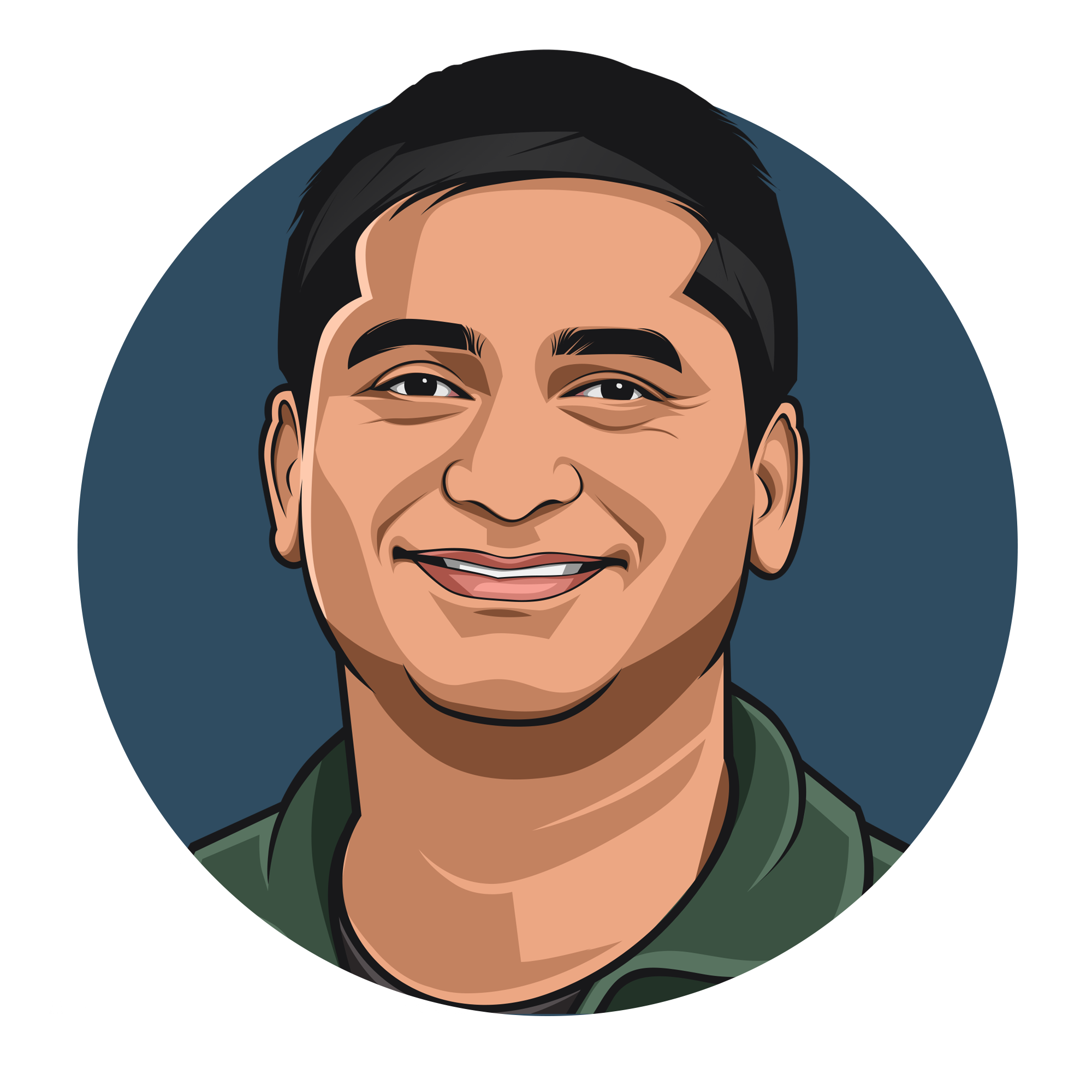
Dijam Panigrahi - COO, Gridraster “Passionate and excited about how technology is challenging norms and changing the way we interact and engage with the world around us. Particularly excited about the convergence of mobile technology, cloud computing and AI.” What does Gridraster bring to the marketplace? We observed, and we strongly believe, that augmented reality and virtual reality will change the way we interact or work and live in the long run. But we also had a strong feeling that if all those things were to be possible, they have to be made possible on a mobile device. On Oculus and other heavy devices, not all those experiences are possible. As part of our team’s previous functions in Qualcomm, Broadcom, Texas Instruments, and Apple, we have worked on mobile, the network, and the cloud. We have seen a few technologies merging. For example, data pipes are becoming thicker, and you can do more using the network. The cloud computing thesis is falling into place with the virtualization of GPU’s. We saw that you cannot do this sort of intensive experience on the mobile device, but mobile is the only way that we can actually make this use case of this medium mainstream. What we can do is leverage the cloud infrastructure, which is available to act as a co-processor to the mobile device, and be able to enable any kind of complex intense immersive experience at scale, not just trying to confine it to a single device or two. Essentially, what we bring to this industry is the software stack to allow any content provider to enable those experiences on any of the devices over the network so you don’t need those heavy devices anymore. You can use the software stack that we are building to make the experience possible across different devices. Can you tell me a little bit of your background and the team’s background before starting Gridraster? We started the company back in 2015. Before that, in all of our fourteen to fifteen years of experience, we worked on the next generation of network-based products, whether it’s the first dual processors for the smartphones or the 3G and 4G networks. We have built those products and taken them to different markets, international markets and scaled the revenues from zero to multimillion dollar sizes. So I bring mostly product and business development expertise. Rishi Ranjan is the technical brain. He was a system designer within Qualcomm and Broadcom, working on the product for five or six years ahead of when they came into the market. Venkat Dass brings expertise in delivering to the customer. As part of Broadcom, he was the person who was applying 4G, 3G, and LTE into the networks for Samsung and Apple. He led our engineering effort. Recently Bhaskar Banerjee, somebody we knew over the years, joined us from the Apple team, where he was working on the immersive display technologies there. Now he takes over the CTO role. How does your experience in business development and product management help as Chief Operating Officer? Could you talk a little bit about your experience more on the BD side versus your co-founders experience on the technical side and how you are able to bring that together? What we’re doing is deeply technical, and we have multiple patents that have been filed, a couple of which have already been approved. We weren’t trying to do a research project, but rather make something commercially viable. That’s why we wanted to have multiple people come together. When we started out it was Rishi and I who were both outward facing. We both had the technology base but we wanted to commercialize it. Before we conceptualized it, we actually spoke to at least fifty customers, trying to understand their pain point. I was trying to understand how it was going to be used, what business problem we were going to solve, what value it was going to bring, and how we can take this technology and productize it. Rishi was focusing on how you map that out from the technical requirement and from the systems requirement so that the engineering team, at that point led by Venkat, could implement it and come up with viable product that we can show to customers in our target audience. We continued to iterate and evolve our roles. We started developing the product and we raised some funding and strengthened our team. Rishi focused more on the fundraising and top leadership and Venkat focused more on ensuring successful deployment with customers. There are a lot of specific applications to aerospace and industrial industries. Can you go into detail on those applications and give a few examples? Those use cases were developed from the conversations that we were having. The first part of the process for us was: okay, we have this awesome technology, how do we leverage this? We needed more data points that in a certain industry, there is a problem they’re facing that we can solve. When we went out to the market and spoke to the customers in aerospace and defense, we talked a lot about value for price. For example, the HoloLens costs anywhere between $3,000-$5,000. That’s going to be pretty expensive if you’re looking at medical, education, or any other industry. But the amount that the aerospace customer or automotive customer or any of the manufacturing companies were actually spending on a device like Hololens was humongous. For an aerospace customers that we’re working with today, one use case is the manufacturing process where they’re building out the spacecraft. What they’re doing is aligning the virtual CAD models, which are pretty heavy and complex, onto the physical assets. When you’re overlaying those virtual assets on top of the physical spacecraft that you’re building, you’re identifying spots where it needs to be put. If you can get those accurate overlays done using our technology, the cloud infrastructure, which you can do to almost a millimeter precision, you are able to save big by cutting down the time required to do the job and eliminating errors. Another use case is engineering design. One of the automotive companies has been designing cars using the clay or foam model. The problem is, any changes that you want to make to the design takes weeks and months. Now they’re replacing the clay or foam modeling with the mixed reality pieces where you could overlay those virtual assets very precisely on the physical assets . This they can do now in near real time instead of waiting for weeks or months. What was the most valuable thing you learned from Alchemist? Learning to stick to the process and believe that the outcomes will come. If we focus on the outcomes too much and we don’t focus on the process, we won’t have a scalable design. That’s the thing that I found very valuable that we got from Alchemist, whether in the fundraising process or the building process. If you were in Alchemist again, would you do anything differently? I would get my co-founders to be much more immersed in the program instead of it being mainly me. From my side, I think many of the processes, like for example creating a customer advisory board, we created over a time period, but we could have done it much more quickly. If you look back it looks pretty crystal clear but in retrospect there are many things I would have done differently. The two things I will say is that I would have put up those processes much earlier and I would have gotten my partners to be more involved in the Alchemist program. What is the most challenging thing going forward? Exploring product market fit. I know that our technology is going to be applicable across different domains and different industries, but we have to navigate that over a time period. Considering the team that we have, we can only focus on maybe a couple of use cases and a couple of industries. Based on all the data points that were available to us and customer conversations we had, we decided that aerospace, defense, and automotive will be our focus in the short term. What entrepreneurial lesson takes the longest to learn, or are you still learning? As an entrepreneur you’re learning every day, such as, for example, building up the team. I’ve learned the value of letting go of certain roles. Maybe you at this point are the best person to do certain things, but maybe it’s a good time to let go of a few of the things because it frees you up to focus on some things that are more important that others cannot do. For example, my co-founder is the best in terms of technical skills, but as a CEO you know he has much more things to do now. But if he continues to get into the technical chops, he may not be able to do the CEO role effectively. Beyond that, from a sales point of view, everything takes longer than what you expect. Do you have any insights that you want to share to the next generation of Alchemist founders? Bring the right team. Before you even build any of the product, validate with the customers or the users who are going to use it. I’m sure that’s been said so many times, but when you are technical founders, you are so convinced of the technology that you lose sight of viability. Apart from that, you are trying to build a business, not building a company to raise money. Sometimes that part of the process gets mixed up,as if you’re just trying to raise another round. Right from the beginning I think you should be focusing on building out a company which can sustain itself. The capital should be able to accelerate that growth but should not be the end goal. About the Alchemist Accelerator Alchemist is a venture-backed initiative focused on accelerating the development of seed-stage ventures that monetize from enterprises (not consumers). The accelerator’s primary screening criteria is on teams, with primacy placed on having distinctive technical co-founders. We give companies around $36K, and run them through a structured 6-month program heavily focused on sales, customer development, and fundraising. Our backers include many of the top corporate and VC funds in the Valley — including Khosla Ventures, DFJ, Cisco, and Salesforce, among others. CB Insights has rated Alchemist the top program based on median funding rates of its grads (YC was #2), and Alchemist is perennially in the top of various Accelerator rankings. The accelerator seeds around 75 enterprise-monetizing ventures / year. Learn more about applying today.